
Diplomatic Shift Jolts Energy Markets as Trump Signals Potential Iran Breakthrough
USA
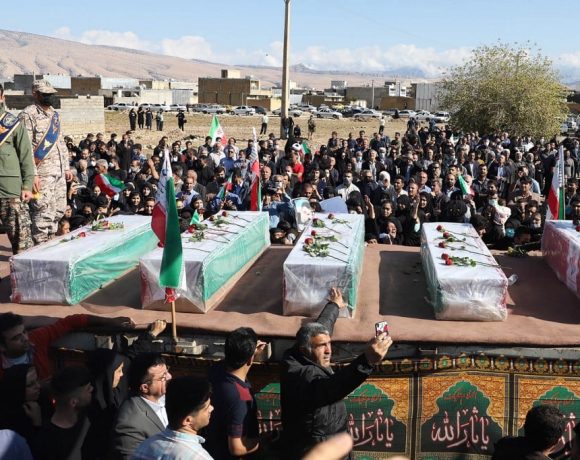
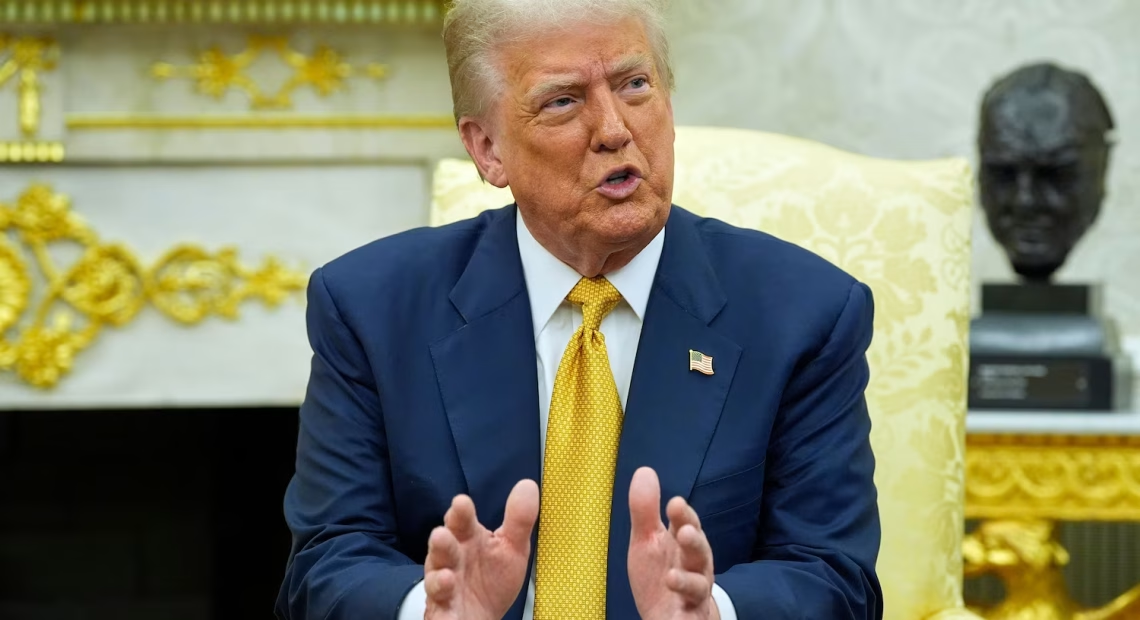
In a sudden pivot that has reverberated across global financial markets, President Donald Trump announced on Monday that the United States is engaged in high-level discussions with a respected Iranian leader, suggesting that the Islamic Republic is eager to negotiate an end to the month-old conflict.
Characterizing the dialogue as nearly perfect, the President claimed that both nations have reached major points of agreement.
To facilitate these ongoing talks, the administration has extended a critical deadline by five days, pausing the threat of strikes against Iranian power plants while the U.S. demands the reopening of the Strait of Hormuz.
The White House’s optimistic tone stands in sharp contrast to the narrative coming out of Tehran. Iranian state media, quoting government officials, flatly denied that any such negotiations have taken place, asserting instead that the President’s shift in rhetoric was a tactical retreat prompted by Iran’s own “firm warning.”
Despite this denial, the President maintained that U.S. envoy Steve Witkoff and Jared Kushner met with an Iranian representative as recently as Sunday. While Trump declined to name the official—citing concerns for the individual’s safety—he clarified that the administration has not spoken directly with Supreme Leader Ayatollah Mojtaba Khamenei.
This diplomatic development provided an immediate and dramatic reprieve for an overheating global economy.
Oil prices, which had surged more than 40 percent since the outbreak of hostilities on February 28, tumbled approximately 10 percent following the announcement. The prospect of de-escalation sparked a massive sell-off as investors sought to lock in profits, moving away from the “worst-case scenario” of $150-per-barrel oil.
The market’s volatility reflects the immense stakes involved, as the International Energy Agency recently warned that the war has already removed 11 million barrels of oil per day from the market, an impact exceeding the energy crises of the 1970s.
The five-day extension is particularly significant for the long-term stability of the region’s energy infrastructure.
Analysts note that while shipping disruptions in the Strait of Hormuz can be resolved relatively quickly through diplomacy, the destruction of power plants and refineries would cause damage that takes years to repair.
Even with the current pause in hostilities, experts like Fatih Birol of the IEA caution that at least 40 energy facilities across nine Middle Eastern countries have already sustained severe damage. Consequently, while the President’s remarks have cooled the immediate panic, a sustained return to pre-war price levels remains dependent on physical oil flow and the replenishment of depleted strategic reserves.