
Uganda Seals DRC Border Over Ebola Threat
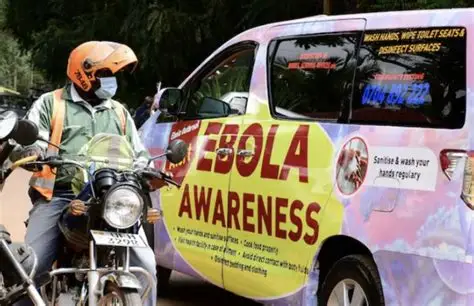
KAMPALA Afrik24 — The Ugandan government has rapidly deployed health screening teams and established strict border controls along its western frontier following a surging outbreak of Ebola in the neighboring Democratic Republic of Congo.
The emergency measures come directly in response to the World Health Organization declaring the current outbreak a Public Health Emergency of International Concern.
The declaration was triggered by a sharp rise in infections in the DRC’s eastern Ituri Province, alongside the confirmation of cross-border transmission.
Uganda has already recorded two imported cases of the virus in travelers arriving from the DRC, resulting in one death.
Health officials are particularly alarmed because laboratory analysis has identified the causative agent as the rare Bundibugyo strain of the Ebola virus.
Unlike the more common Zaire strain, there are currently no approved vaccines or targeted antiviral treatments available for the Bundibugyo variant, making classical public health containment measures absolutely vital to stopping its spread.
To mitigate the risk of further regional transmission, the Ugandan Ministry of Health has activated comprehensive emergency protocols at all official and informal points of entry.
Rapid response teams have set up specialized checkpoints along major transit routes, trade corridors, and pilgrimage paths.
Travelers crossing into Uganda are now required to undergo mandatory temperature checks, symptom screenings, and contact tracing declarations.
The response is further complicated by high population mobility, local trade, and a volatile security situation in the eastern DRC, which has historically hindered medical access.
In addition to border screening, Ugandan authorities are reinforcing infection prevention protocols in nationwide health facilities, deploying mobile laboratories to the border districts, and conducting community outreach campaigns to educate the public on early symptoms.
International aid organizations, including UNICEF and the Africa Centres for Disease Control and Prevention, have begun mobilizing medical supplies, personal protective equipment, and water purification units to the region to support both countries.
Health experts emphasize that because medical workers are facing high exposure risks, cross-border coordination and rigorous monitoring at checkpoints remain the primary defenses against a larger regional epidemic.